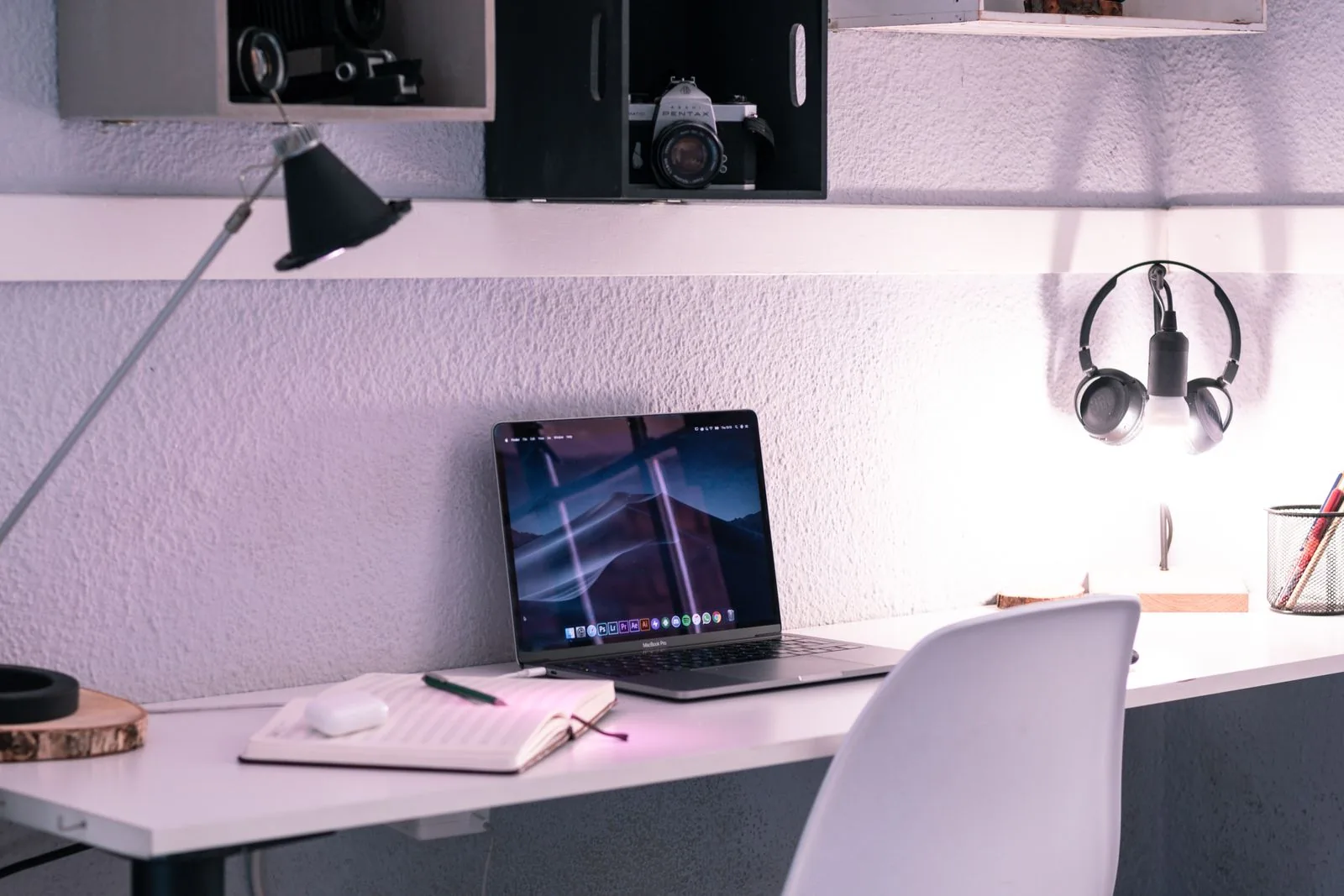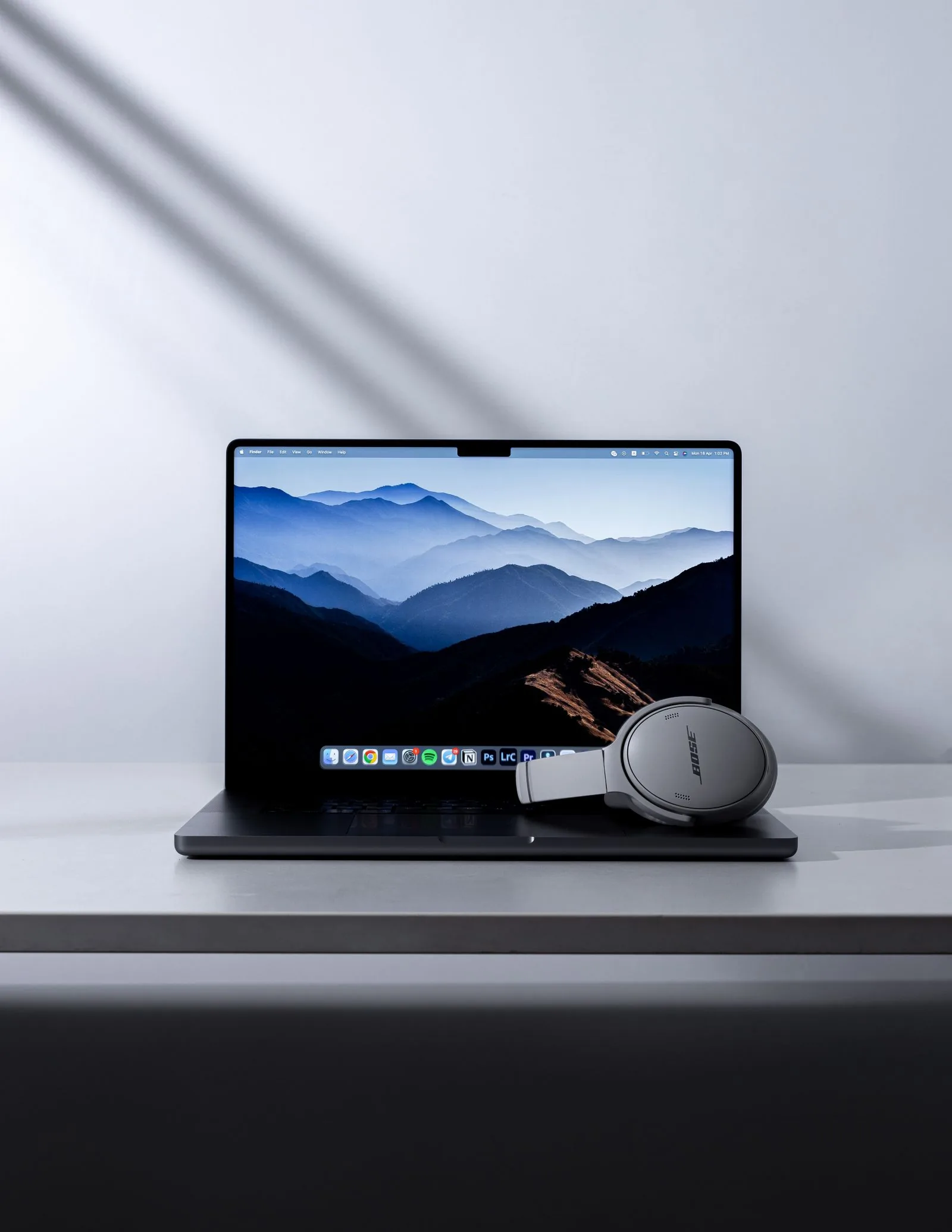
One person is on a video call, another is making lunch, and the neighbor has chosen this afternoon to assemble furniture. Headphones can help a shared home function, but the right pair depends on whether you are listening, speaking, or trying to stay aware of what is happening around you. A fashionable pair with strong marketing may solve the wrong problem.
This guide is for home workers, students, and everyday listeners sharing ordinary living space. It compares selection criteria, not measured noise-cancellation performance. We have not conducted hands-on sound or microphone tests, and we do not treat customer review counts as evidence of a universal winner.
Choose for your everyday.
Prioritize fit and call behavior before premium audio features. Over-ear noise-canceling headphones suit some listening situations; a dedicated call headset may serve frequent meetings better. Keep an easy way to hear household requests and never use isolation where awareness is required.
In this guide
Name the noise and the task
A steady background hum is different from a nearby conversation or a sudden doorbell. No ordinary headphone should be purchased on the assumption that it will erase every sound. Decide whether the main task is focused listening, clear speech on calls, or enjoying music without disturbing someone else.
For meetings, the microphone and the way your own voice sounds can matter more than the music presentation. Some people prefer hearing a little of their surroundings; others prefer a quieter listening environment. Check the product's listening and awareness modes rather than assuming every model behaves the same way.
Try the shape for a real-length session
Over-ear cups occupy more space and may feel warm. In-ear models are smaller but require a suitable fit and regular care. Glasses, hair, earrings, and head size can change how a headphone sits. A comfortable first minute is not a reliable guide to an entire working afternoon.
Where possible, try the model through a retailer with clear return conditions. Check cushion materials and whether replacements are available. Comfort is personal, so avoid buying solely because a reviewer with different preferences calls a pair comfortable. Consider storage too: a large hard case needs a home when the desk is cleared.
Keep microphone claims in perspective
Noise cancellation for the listener and noise reduction for the microphone are separate features. A pair can make the room seem quieter to you while still sending distracting sound to the other person. Look for the manufacturer's call-related information, then test with your actual meeting application after purchase.
A headset with a boom microphone is worth considering if calls dominate your day. It changes the appearance and carry format, but it may suit a speaking-first workflow. A simple wired option can avoid battery concerns and wireless pairing, provided your computer supports its connector and microphone.
Check device switching and physical controls
If you alternate between a phone and laptop, read the connection and switching instructions for the exact model. Support can vary by operating system and firmware. Make sure you understand how to mute, answer a call, and return to your previous device before depending on the headphones for a meeting.
Sony's official over-ear headphone range provides candidates across wired and wireless designs. Compare individual product information rather than treating the brand name as a feature set. Touch controls, physical buttons, folding hinges, and awareness settings are practical differences that should match how you work.
Decide what is worth the premium
Pay for fit, reliable controls, and the capabilities your day actually needs. Travel-oriented isolation may be less useful if you mainly make short calls in a quiet room. Detailed audio adjustments may be enjoyable for music but irrelevant when your biggest problem is a confusing mute control.
Agree on a simple household signal for attention so headphones do not become a barrier to ordinary conversation. Keep playback at a comfortable level and follow the device maker's safety guidance. If you need to monitor a child, a cooking task, or other important sounds, choose an arrangement that preserves that awareness rather than relying on an electronic mode alone.
A choice for each kind of day
Use the scenario as your starting point. The right option solves your own inconvenience without adding a new one.
| Your option | Makes sense for | The tradeoff |
|---|---|---|
| Over-ear wireless headphones | Music and focused listening between calls | Bulk, battery care and individual fit matter |
| Dedicated call headset | Frequent speaking and meeting controls | May be less appealing for casual music listening |
| Simple wired headphones | A fixed desk and minimal charging | Cable and connector compatibility limit movement |
Brands to put on your shortlist
These are starting points for your research, based on the brands’ published information. Check the exact version, dimensions, care instructions, delivery terms, and current price before ordering.
Sony Over-Ear Headphones
Music between meetings A personal listening setup
- Over-ear headphone range
- Wireless noise-canceling models in the collection
Why consider it: Different forms and feature sets to compare Models for different listening priorities
Keep in mind: Fit and microphone performance vary No promise of blocking all surrounding sound
Explore at Sony ↗Brand website · Not an affiliate link · Details checked Nov 12, 2026Your before-you-buy checklist
- Separate listening isolation from microphone performance.
- Check fit with glasses and your normal posture.
- Review mute and call controls.
- Confirm your phone and computer connection needs.
- Keep important household sounds accessible.
Before you decide
Will noise cancellation block people talking?
Do not assume that it will remove speech or sudden sounds. Performance varies by model and fit, and the room remains a shared environment.
Are earbuds better for calls than over-ear headphones?
Neither format wins automatically. Microphone design, device connection, fit, and the meeting environment all matter.
Should I choose a wired headset for work?
It can be a straightforward choice for a fixed desk if the connector and microphone work with your computer. It avoids charging but introduces a cable.
Sources & editorial notes
Brand information last checked Nov 12, 2026. Our scenario recommendations are editorial judgments, not laboratory results. Stock images illustrate everyday use and are not product verification.
See a detail that needs updating? Send a correction.