Your train arrives in the morning, but the room is not ready until later. The plan involves coffee, a walk, and perhaps a museum. Suddenly, the bag that seemed perfect beside the bed has to accompany the first part of the holiday. That is the moment to design around.
Choosing one bag for a city break means balancing travel capacity with the way you move once you arrive. This guide uses published manufacturer ranges as shopping references; it does not claim tested carrying comfort or acceptance by airlines, museums, or other venues.
Choose for your everyday.
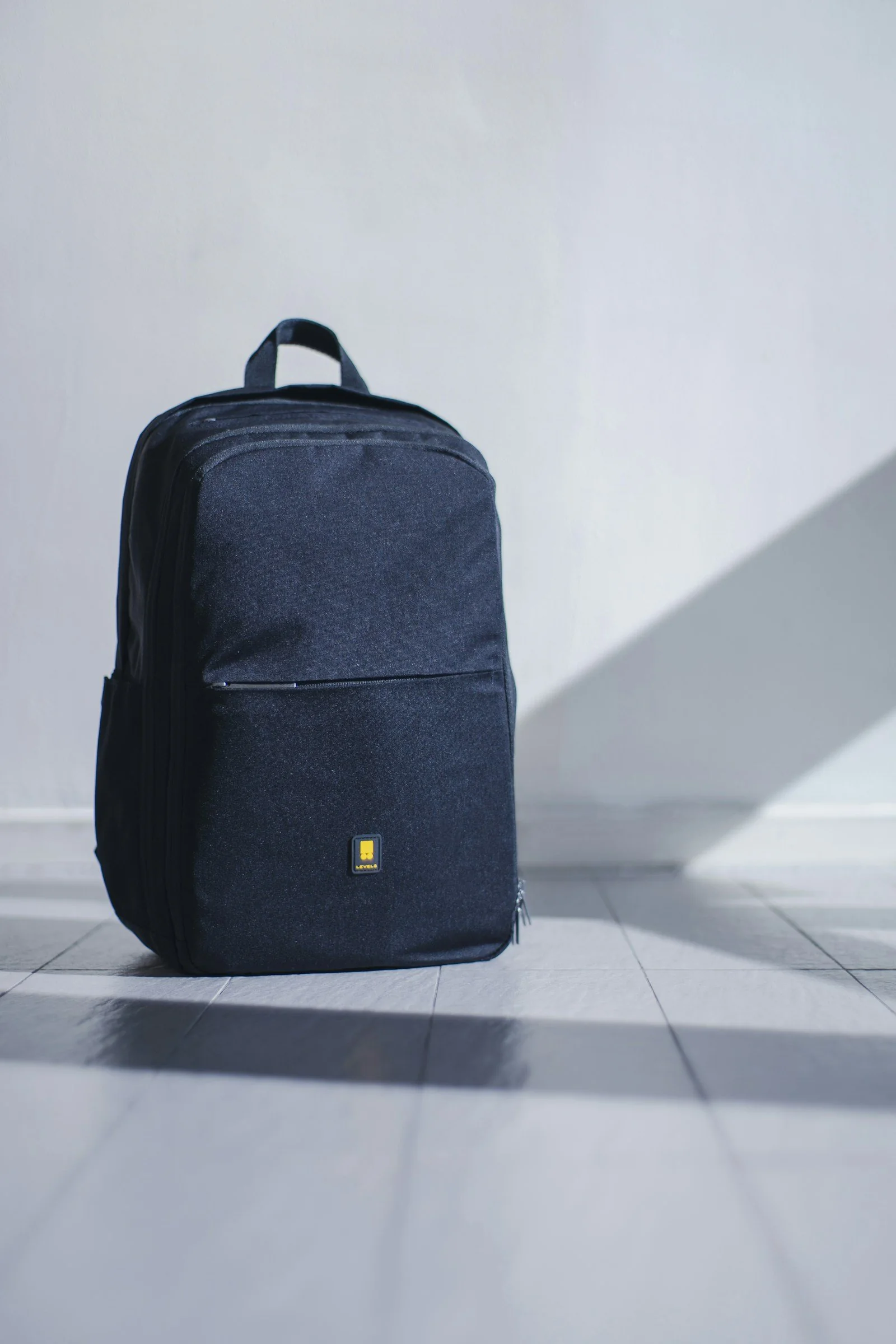
Choose for the hours when the bag stays with you. A travel backpack can suit stairs and walking, while a wheeled bag may suit smooth routes and reliable luggage storage. Keep the day’s essentials reachable without opening the clothing compartment.
In this guide
Draw the journey from door to room
Start at your own front door and include each transfer. Is there a walk to the bus, a platform change, a staircase at the station, and an uneven pavement before the accommodation? Those details determine how much carrying convenience matters. The main flight or train journey may be the easiest part.
Check the arrangements for luggage at the destination instead of assuming you can leave a bag somewhere. If there is no reliable storage, a comfortable packed load becomes more important. Plan the first day around that fact rather than buying a larger bag and hoping it will disappear after arrival.
Pack around combinations, not separate outfits
Lay out clothing that works together for the actual weather and activities. A special event may justify a dedicated outfit, but an ordinary café lunch may not. Shoes are often the awkward decision: a second pair can occupy a substantial part of a small bag, so make the reason explicit.
Do not reduce essential items merely to meet an aesthetic idea of one-bag travel. Instead, remove duplication that adds little to the trip. A compact, realistic list is easier to fit than a collection of imagined possibilities. Rehearse the full load before choosing capacity.
Separate travel access from destination access
During the journey you may need a ticket, phone, water, or a layer. At the room you need clothing and toiletries. A useful bag keeps those tasks from competing. Inspect whether the external pockets remain usable when the main compartment is full and whether removing one item exposes everything else.
A removable small pouch can help with the transition from travel to a day out, but avoid packing a second bag so elaborate that it defeats the first decision. Your daily carrying needs may be modest. Check the rules of any venue on your itinerary before assuming it accepts the luggage you intend to bring.
Look closely at fit and opening style
Osprey’s Daylite travel range includes travel-pack formats alongside duffels. That is a starting point for comparing layouts and sizes, not a guarantee that one model fits every traveler. Open the precise model page and examine dimensions, strap arrangement, access, and any stated limits.
If possible, assess the candidate with a representative load under the seller’s inspection conditions. Strap comfort is personal, and the way the contents are arranged matters. A bag that looks compact when empty can feel different once shoes, toiletries, and a jacket create firm pressure points.
Choose the compromise you can live with
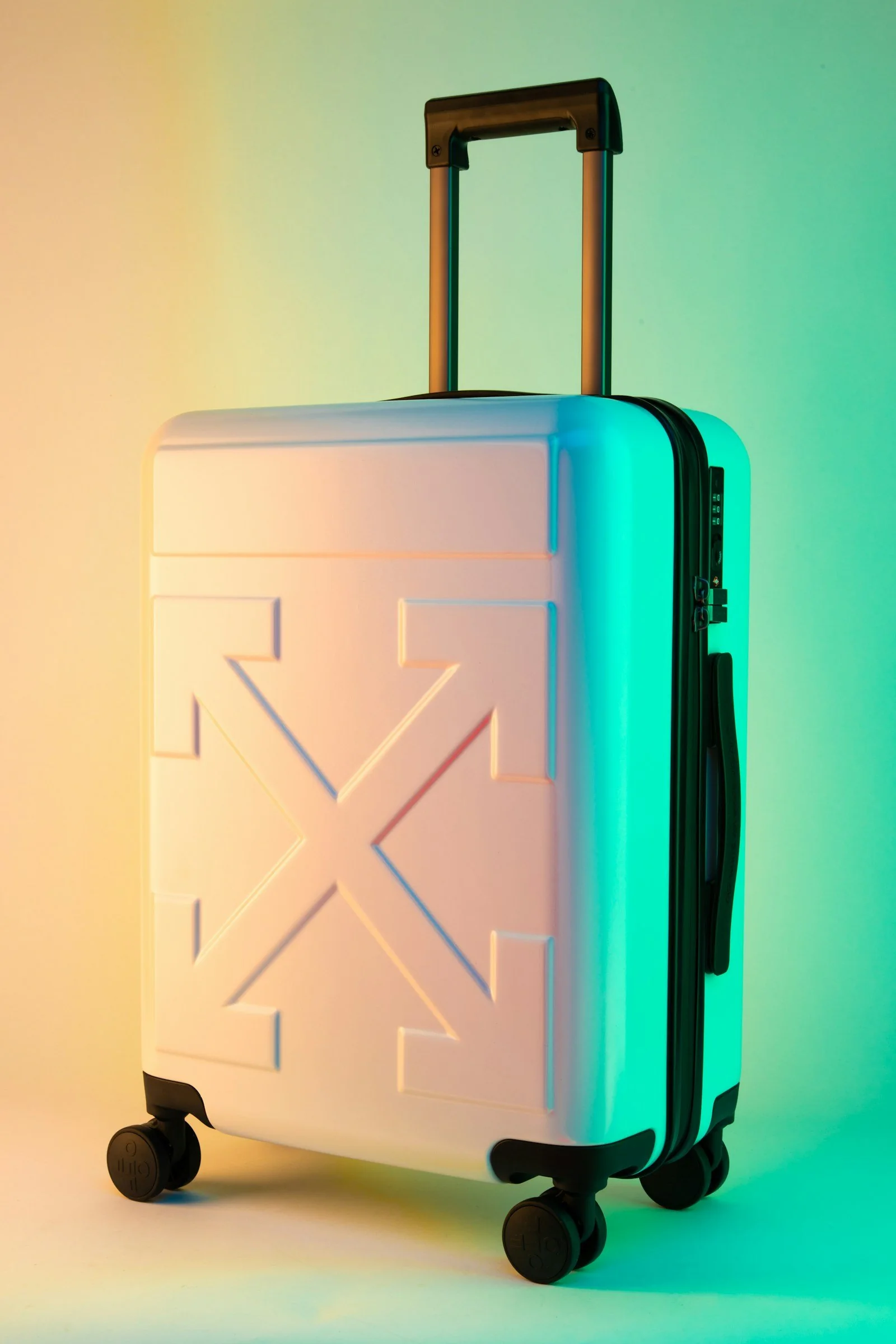
Wheels can reduce the need to carry a load on smooth routes but bring their own weight and storage needs. A backpack handles stairs differently but stays on your body. A soft duffel can be easy to pack yet less pleasant during a long unplanned walk. The right compromise depends on your itinerary.
Before checkout, confirm the retailer’s return policy and any current carrier limits for the fare booked. Measure the packed outside shape, not only the advertised capacity. Leave a little flexibility for the return journey and choose a bag that remains useful for the trips you take repeatedly.
A choice for each kind of day
Use the scenario as your starting point. The right option solves your own inconvenience without adding a new one.
| Your option | Makes sense for | The tradeoff |
|---|---|---|
| Travel backpack | Stairs, transfers, and walking before check-in | Personal fit and loaded comfort matter |
| Small wheeled bag | Smooth routes and reliable luggage storage | Wheels and stairs can be inconvenient |
| Soft duffel | Short carries and simple overnight packing | Less appealing for a long day on foot |
Brands to put on your shortlist
These are starting points for your research, based on the brands’ published information. Check the exact version, dimensions, care instructions, delivery terms, and current price before ordering.
Osprey Daylite Travel Pack Range
Rail connections Walking between stays
- Travel-backpack range
- Different opening and size options to compare
Why consider it: Backpack carry for journeys involving stairs
Keep in mind: Loaded comfort and fit are individual Airline acceptance must be checked against current limits
Explore at Osprey ↗Brand website · Not an affiliate link · Details checked Nov 12, 2026Osprey Daylite Duffel Range
Car trips Short stays
- Soft-sided travel duffel range
- Multiple bag sizes listed by the manufacturer
Why consider it: Simple opening and packing format to consider
Keep in mind: Size and carry comfort need individual checking Not every size suits every airline
Explore at Osprey ↗Brand website · Not an affiliate link · Details checked Nov 12, 2026Your before-you-buy checklist
- Map every transfer before choosing carry style.
- Confirm destination luggage-storage arrangements.
- Rehearse the complete clothing and footwear load.
- Keep travel essentials accessible when the bag is full.
Before you decide
Does one-bag travel mean using a backpack?
No. A wheeled case or duffel may suit the actual itinerary better. The useful goal is a manageable load, not a particular style of travel photograph.
Can a daypack replace a travel bag?
Sometimes, for a small and realistic packing list. Check how it opens, how it carries the load, and where clothes and toiletries will go before deciding it is enough.
Can I rely on a carry-on label?
No universal label replaces the current rules of your carrier and fare. Check external dimensions and weight where relevant, and account for expansion and filled pockets.
Sources & editorial notes
Brand information last checked Nov 12, 2026. Our scenario recommendations are editorial judgments, not laboratory results. Stock images illustrate everyday use and are not product verification.
See a detail that needs updating? Send a correction.