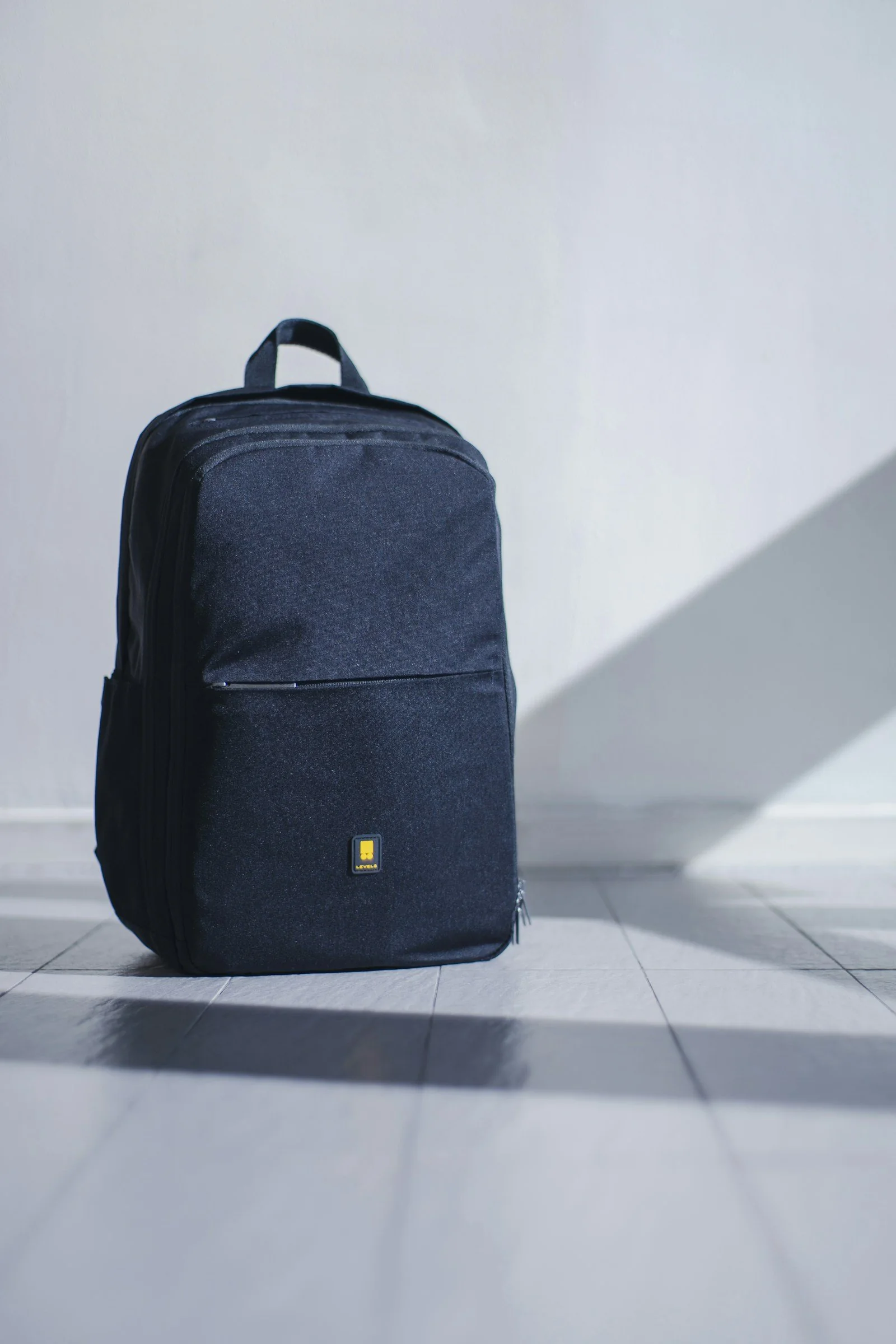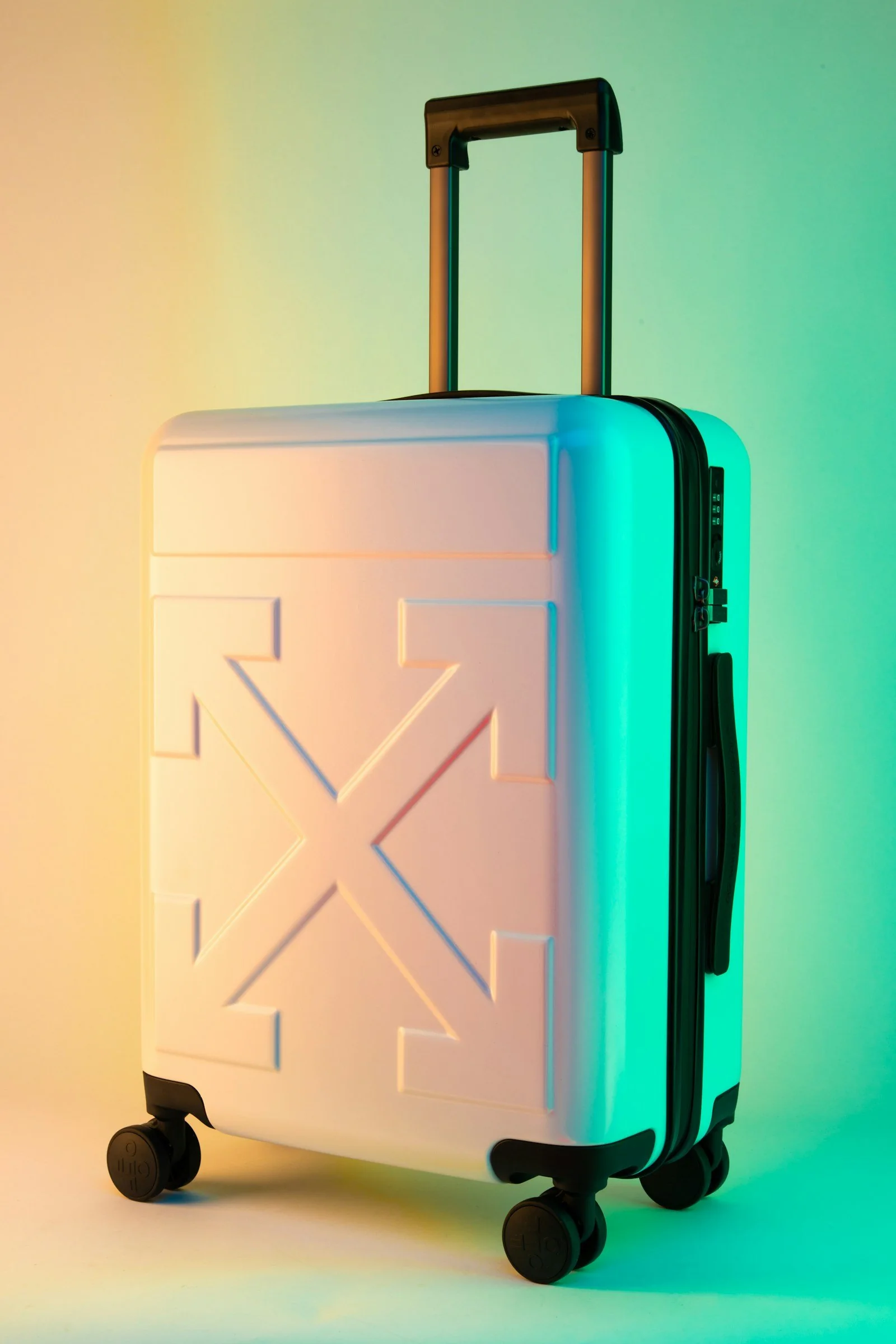
You reach the room late, open the suitcase, and disturb nearly everything to find a clean shirt. Packing cubes promise a tidy solution, but a whole set can introduce another layer of zippers and fabric without changing your habits. Organization is useful only when you understand what it helps you find.
This comparison looks at use cases rather than measured space savings. The linked manufacturer collections confirm available product formats. They do not establish how much any traveler can fit, and we have not tested compression ratios or seam durability.
Choose for your everyday.
Try one or two ordinary cubes if you live out of a bag or share luggage. Consider compression only after checking the resulting shape and packed weight. Skip cubes when your existing bag already divides a small load well.
In this guide
Ask whether you unpack at the destination
If clothes go straight into a drawer, cubes may be useful mostly for the journey. If you move between rooms or keep clothing in a bag, they can become removable drawers. The difference matters more than a dramatic before-and-after packing photograph.
Think about the morning search. You might group by clothing type, by person, or by part of the trip. Choose one system that matches the way you retrieve things. A cube full of vaguely related items can be as confusing as a loose suitcase, just with an additional zipper.
Begin with the internal shape of the bag
Measure the useful flat area inside your luggage, including the intrusions from handles or wheels. Several neat rectangles do not always fit neatly around a curved backpack. Leave space for shoes and other awkward objects rather than trying to tile every surface with matching cubes.
Check external cube dimensions and compare them with the actual folded clothing. An oversized cube can slump when partly filled; a too-small one may force tight packing every morning. Do not buy an entire set just because the combined contents appear attractive in a product listing.
Understand what compression changes
A compression cube can pull a soft clothing bundle into a denser shape, depending on its design and contents. That does not remove the weight of the clothes. It may also produce a firm lump that is less flexible around other objects, particularly in a narrow backpack.
If weight limits matter, weigh the complete packed bag separately. If wrinkle control matters, consider how your clothes tolerate being tightly packed. Compression is a tool for particular soft items and packing habits, not permission to ignore the rest of the luggage constraints.
Compare visibility, simplicity, and size mix
Eagle Creek’s packing-cube collection includes ordinary and compression formats. Osprey’s Daylite Packing Cube Set is described as a set with three sizes. Those are useful places to inspect different approaches, but the right choice depends on whether the dimensions fit your own bag.
A visible panel can help identify contents; a simple opaque pouch can work if its role is consistent. Handles and multiple openings can be useful when you move cubes to a shelf, but each detail adds construction. Spend on features you use to retrieve clothing rather than on complexity itself.
Rehearse the return trip before buying more
Pack a representative load into a cube or even a temporary pouch you already own. Remove one day’s clothes, then put the used items somewhere separate. This reveals whether you need a laundry bag, another cube, or simply fewer clothes. A system that works only with freshly folded garments is incomplete.
Buy the smallest useful trial rather than a complete collection. Check zipper operation without forcing it, inspect the seams, and read care instructions. After a real trip, you can add a size based on a specific gap. Leave space for the unstructured objects travel inevitably brings.
A choice for each kind of day
Use the scenario as your starting point. The right option solves your own inconvenience without adding a new one.
| Your option | Makes sense for | The tradeoff |
|---|---|---|
| Standard packing cube | Removable clothing groups and frequent moves | Adds a layer of material and zippers |
| Compression cube | Soft items when a denser bundle suits the bag | Does not reduce packed weight |
| No cubes | Small loads or already divided luggage | Loose clothing needs another retrieval system |
Brands to put on your shortlist
These are starting points for your research, based on the brands’ published information. Check the exact version, dimensions, care instructions, delivery terms, and current price before ordering.
Eagle Creek Pack-It Packing Cubes
Separating clothing Living out of a suitcase
- Travel packing-cube range
- Standard and compression styles to compare
Why consider it: A way to separate clothing by use
Keep in mind: Cubes add material and weight Compression does not reduce packed weight
Explore at Eagle Creek ↗Brand website · Not an affiliate link · Details checked Nov 12, 2026Osprey Daylite Packing Cube Set
Short trips Clothing separation
- Packing-cube set
- Three sizes described by the manufacturer
Why consider it: A ready-made size mix to compare
Keep in mind: Set sizes may not match your bag Buying individually may suit a smaller kit
Explore at Osprey ↗Brand website · Not an affiliate link · Details checked Nov 12, 2026Your before-you-buy checklist
- Choose a grouping method before choosing colors.
- Measure around wheel and handle intrusions.
- Compare cube dimensions with your folded clothing.
- Weigh the whole bag when restrictions apply.
Before you decide
Do cubes always let me pack more?
No. Results depend on the bag, cube shape, clothing, and packing method. Organization may be their main benefit. Avoid treating a manufacturer’s format description as a guaranteed saving for your own luggage.
Should I use a cube for every item?
Not necessarily. A few groups can make retrieval easier while leaving flexible space for shoes or a jacket. Too many small compartments can turn unpacking into a series of searches.
Are compression cubes a substitute for a larger bag?
Only when the complete packed bag remains practical and within any relevant restrictions. They do not reduce the amount of weight you have chosen to carry.
Sources & editorial notes
Brand information last checked Nov 12, 2026. Our scenario recommendations are editorial judgments, not laboratory results. Stock images illustrate everyday use and are not product verification.
See a detail that needs updating? Send a correction.