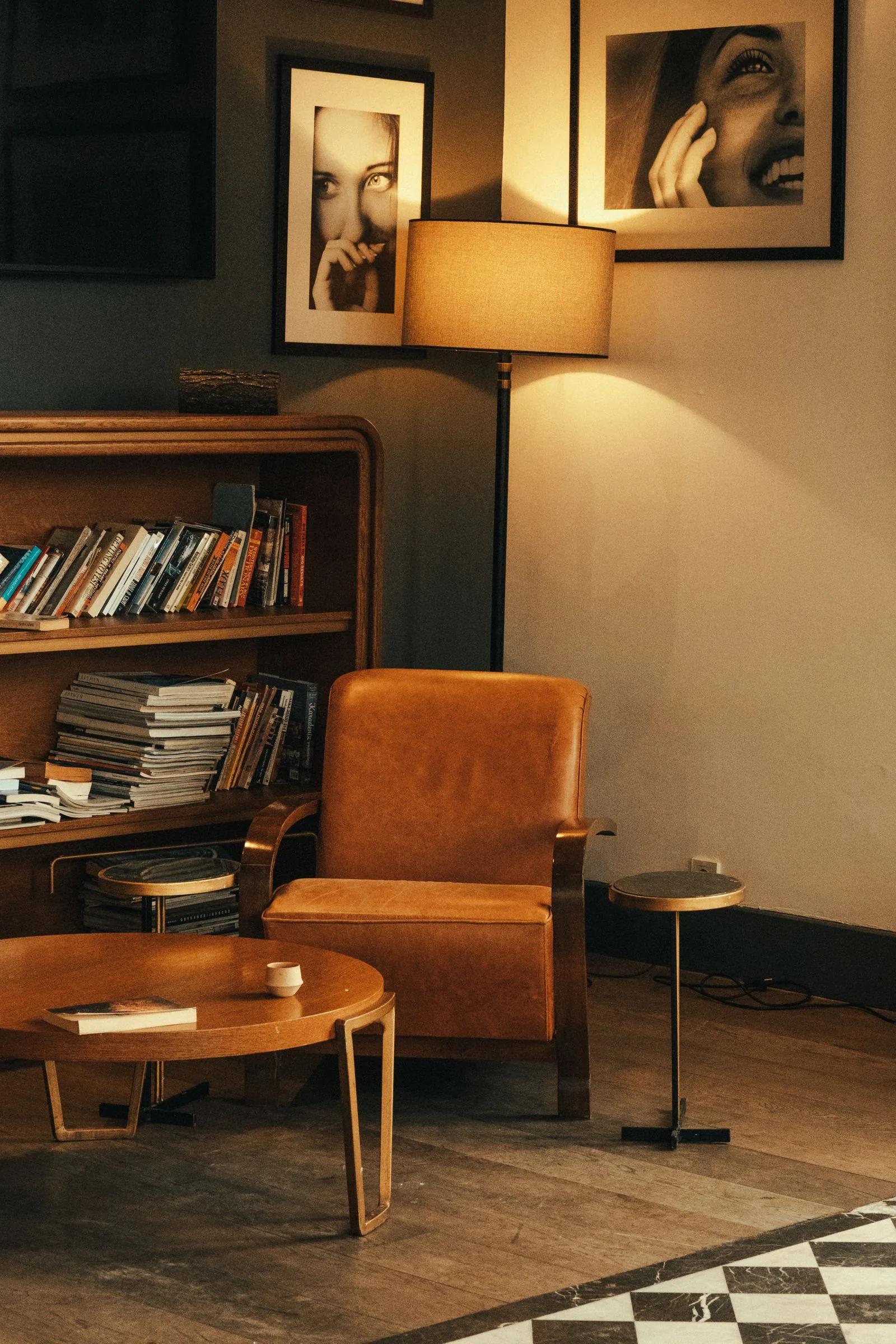
There is a book on the coffee table you keep meaning to finish. The sofa is already comfortable, but the light is behind your head, your drink has no stable landing place, and the television becomes the easiest option. A reading corner can start by changing those small frictions. It does not have to start with buying a chair.
This guide is for shared living rooms, bedrooms, and compact apartments where a dedicated library is unrealistic. We focus on arranging an ordinary seat, suitable lighting, and a few well-chosen accessories. The recommendations are editorial selection advice based on published product types, not a claim that we have evaluated the furniture in your home.
Choose for your everyday.
Try the chair you already own in a useful position. Add a reachable light and stable side surface before paying for a new seat. If you still want an armchair, shop with your reading posture and room measurements in mind.
In this guide
Choose the time of day before the corner
A window seat can feel ideal in the morning and be unusable when you actually read at night. Spend a few minutes in the proposed spot at your normal reading time. Notice glare, nearby conversations, walking routes, and whether you can keep your book and glasses nearby without occupying a household thoroughfare.
Do not push furniture into a tight corner merely to make it feel separate. Leave space to stand up and access curtains or storage. In a shared room, the best location may be a slight turn away from the television rather than an isolated area with poor light.
Let the existing seat reveal what is missing
Read a chapter in the chair or sofa you already own. If your feet need support, try an appropriate existing footrest. If a cushion helps, note where it sits rather than assuming a deeper or softer chair would solve the problem. Comfort depends on body size, posture, and how long you sit; an online photograph cannot settle those questions.
If you eventually buy a chair, compare seat dimensions and arm height, check delivery access, and review return terms. Consider the cleaning requirements of upholstery and whether covers or parts can be replaced. A chair that fits your body but cannot pass through the stairwell is not a successful choice.
Position the light for the page
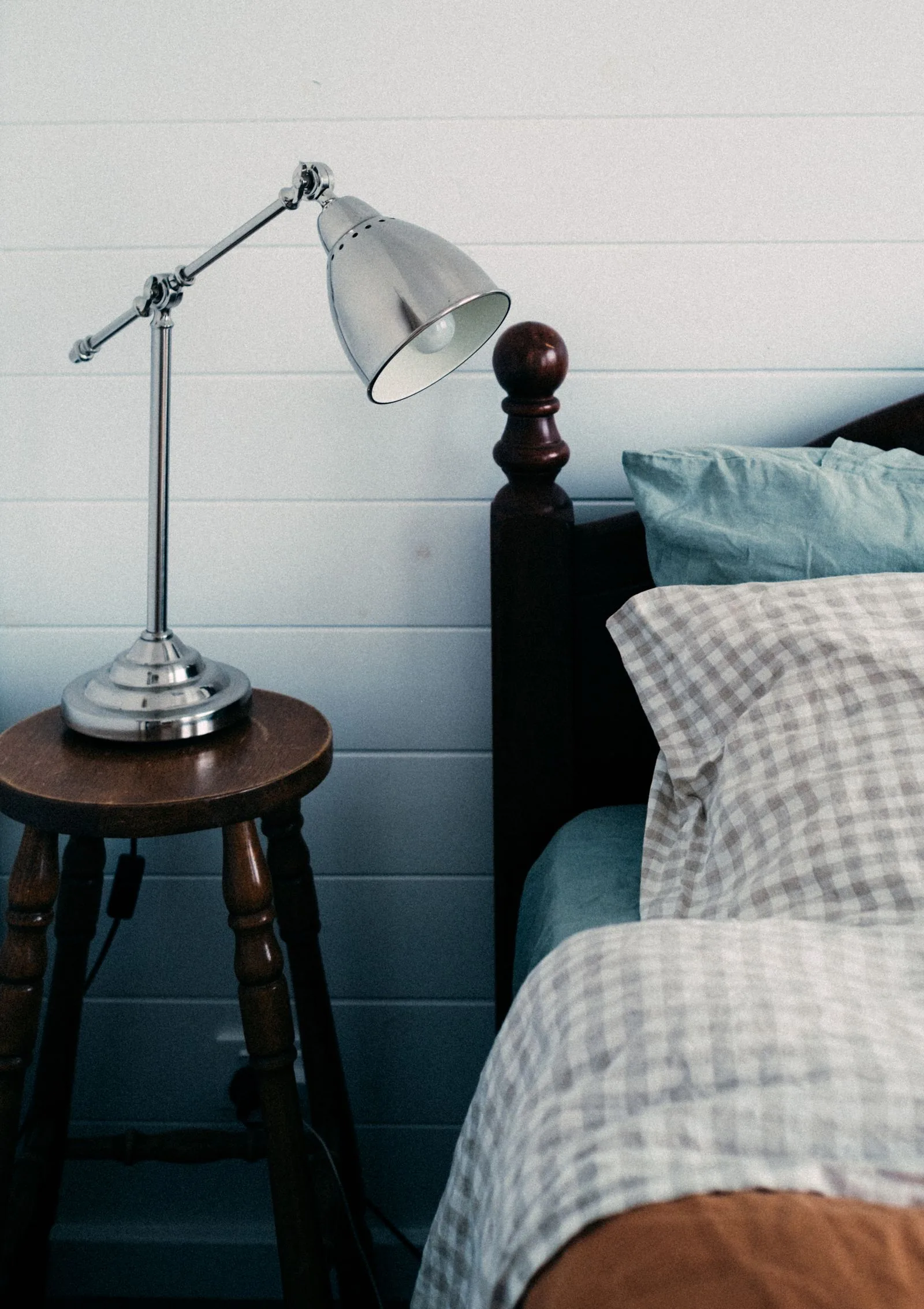
An adjustable floor or table light can put illumination where your book rests without requiring the entire room to be brightly lit. Avoid a bare source directly in your line of sight. Move the lamp around before deciding you need more output; the direction may be the problem rather than brightness.
IKEA's table-lamp collection is a useful starting point for comparing shaded room lights with more focused designs. Check each model's bulb requirements and control placement. A side table at an awkward height can make a lamp switch inconvenient, so assess the light and surface together.
Keep the supporting objects deliberately few
A side surface needs room for the object you are using now: a mug, reading glasses, or an e-reader. A stack of display books can consume the very space you need. Choose a stable surface that will not tip when bumped, and protect materials from condensation according to their care guidance.
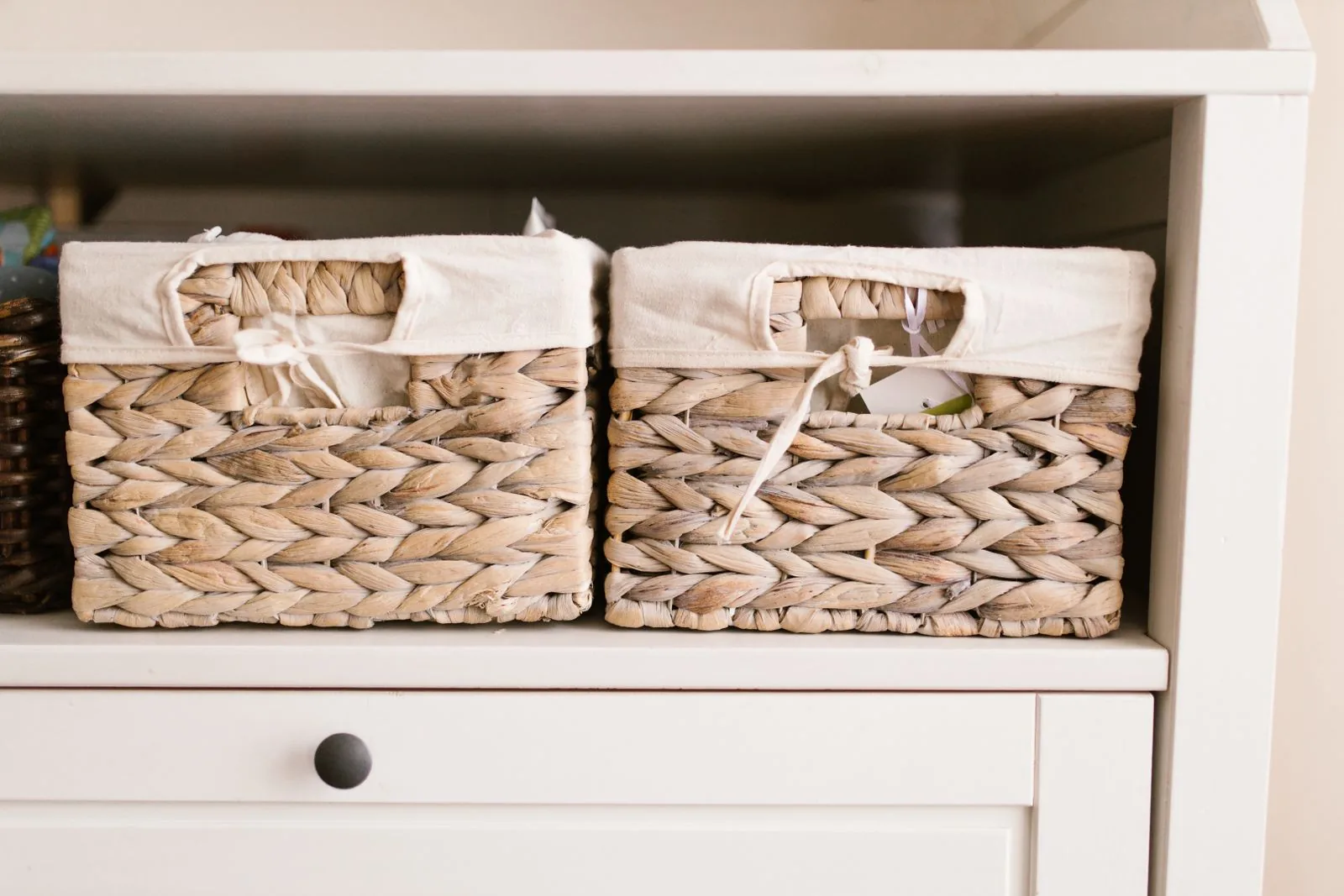
A small basket can hold the current book and a throw. It should not become overflow storage for every unfinished hobby. If the corner repeatedly accumulates objects from elsewhere, simplify it. A clear landing place lowers the effort of sitting down for a short reading session.
Spend where the routine still breaks
After several evenings, identify the remaining obstacle. It might be a light with a reachable switch, a side table that fits beside the sofa, or a chair with a more suitable seat depth. Buy for that specific problem. A full matching furniture set is unlikely to be the smallest useful solution.
Skip gadgets that introduce more interruptions than they remove. You do not need connected lighting, a specialist book stand, and a new e-reader simply to begin. If an accessory solves a real need, compare its support, stability, and adjustment range. Otherwise, keep the corner pleasantly ordinary and put the book within reach.
A choice for each kind of day
Use the scenario as your starting point. The right option solves your own inconvenience without adding a new one.
| Your option | Makes sense for | The tradeoff |
|---|---|---|
| Existing seat + repositioned light | Trying the habit before buying furniture | May share space with other household activities |
| Compact armchair + side table | A regular reading spot with room to spare | Comfort and delivery fit need careful checking |
| Adjustable light + current sofa | Small shared living rooms | Provides less physical separation from screens |
Brands to put on your shortlist
These are starting points for your research, based on the brands’ published information. Check the exact version, dimensions, care instructions, delivery terms, and current price before ordering.
IKEA Table Lamps
Bedside lighting A reading corner
- A range of table-lamp forms
- Shaded and glass styles available
Why consider it: Different footprints to compare Options for several room styles
Keep in mind: Bulb and control requirements vary Shade dimensions need checking
Explore at IKEA ↗Brand website · Not an affiliate link · Details checked Nov 12, 2026MUJI Polypropylene Storage
Shelf organization Separating everyday accessories
- Polypropylene storage collection
- Multiple drawer and container formats
Why consider it: Choice of shapes and sizes Translucent formats help identify contents
Keep in mind: Not every item stacks with every other Internal and external dimensions differ
Explore at MUJI ↗Brand website · Not an affiliate link · Details checked Nov 12, 2026Your before-you-buy checklist
- Try the spot at your usual reading time.
- Check glare and walking routes.
- Measure chair dimensions and delivery access.
- Reach the lamp switch from your seat.
- Leave the side surface mostly clear.
Before you decide
Does a reading corner need a special chair?
No. Start with a seat you already find comfortable. Buy a new chair only after you know what the current one fails to provide.
Is a floor lamp better than a table lamp?
A floor lamp preserves tabletop space, while a table lamp can fit an existing side surface. Direction, stability, and reachable controls matter more than the label.
What should I upgrade first on a small budget?
Fix the part that stops you using the corner. Often that is lighting or a reachable stable surface rather than the seat itself.
Sources & editorial notes
Brand information last checked Nov 12, 2026. Our scenario recommendations are editorial judgments, not laboratory results. Stock images illustrate everyday use and are not product verification.
See a detail that needs updating? Send a correction.