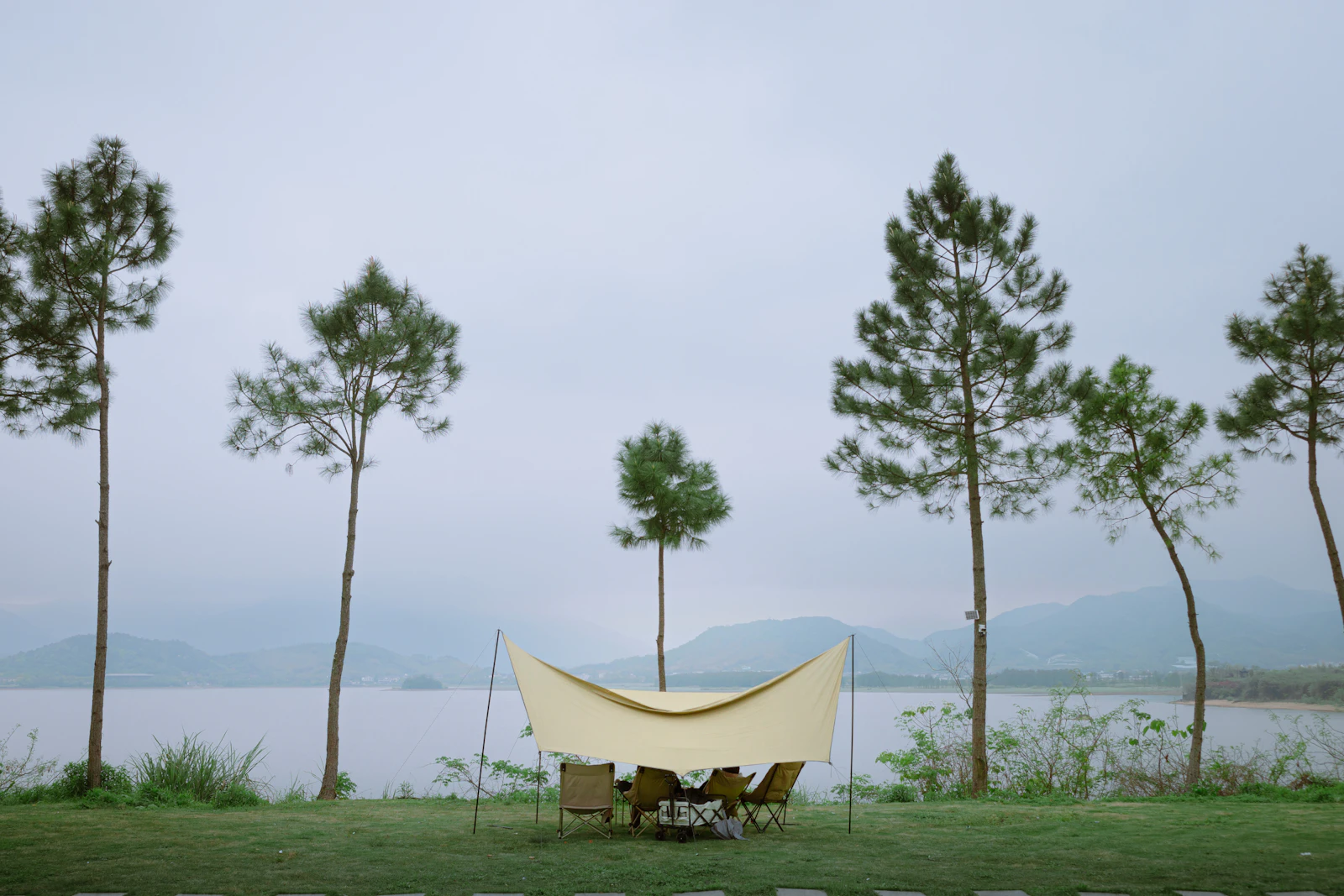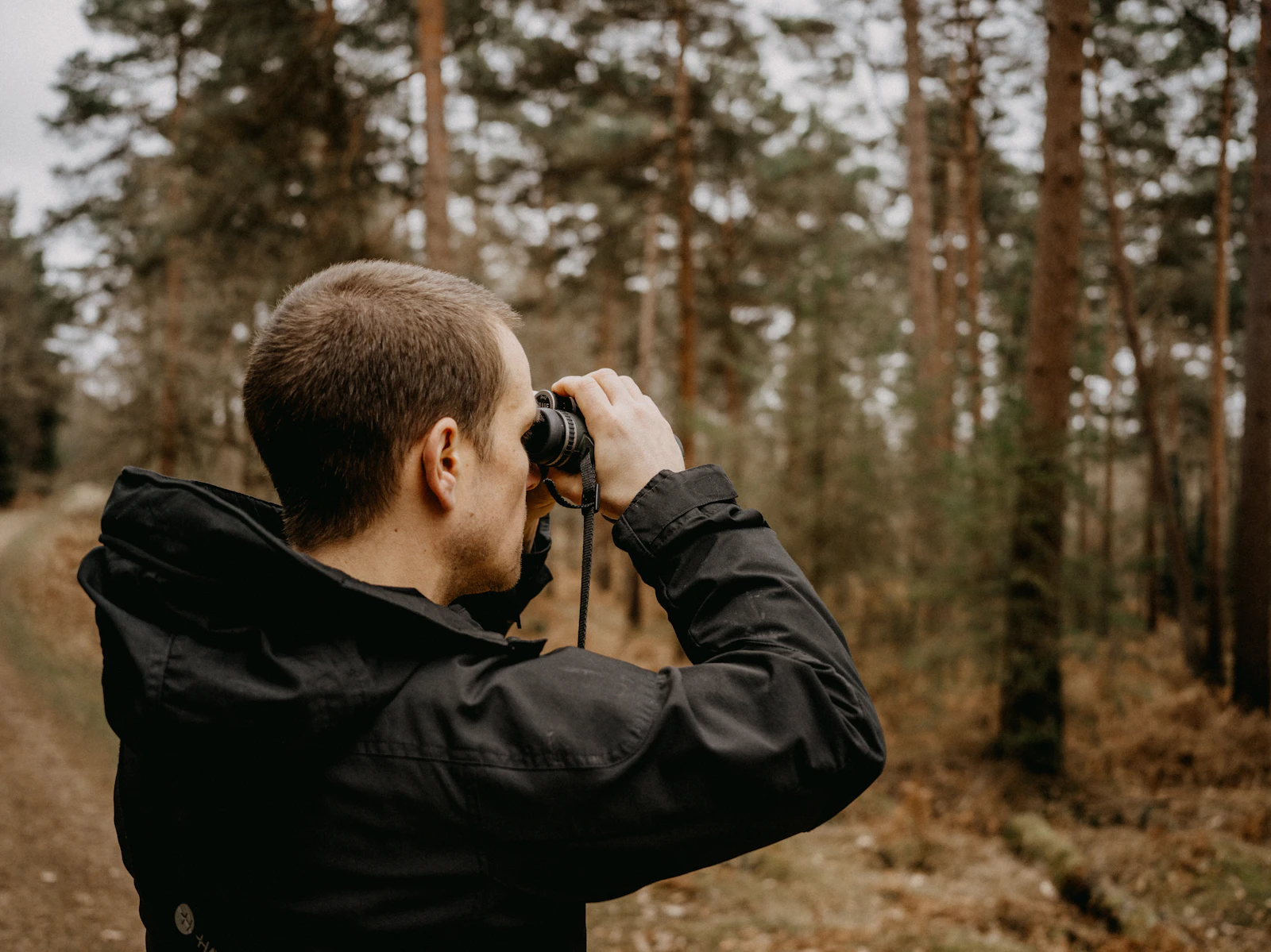
Dinner is finished, someone is looking for the tent zip, and the phone torch is balancing on a water bottle. A headlamp becomes appealing for a simple reason: both hands remain available for the task. For occasional campsite use, the buying decision can stay equally simple.
This guide is about nearby camp tasks, not a lighting system for technical travel or road use. It draws on published product information and does not report measured brightness, battery life or a field test.
Choose for your everyday.
Choose controls you understand, a comfortable adjustable fit, and a battery plan you can maintain. Maximum headline brightness is less useful than a suitable lower setting for ordinary nearby tasks.
In this guide
List the tasks you need to light
Reading a bag label, finding a cup and organizing a tent are close-range jobs. Think about where you want the beam to fall and how often you will use it. A bright distant spot is not necessarily the most pleasant pattern for reading something in your hands.
If you need lighting for a more demanding activity, research that activity separately. Do not extend a campsite recommendation into a claim that it suits night navigation, cycling or every outdoor condition. The manufacturer’s intended-use guidance should define the shortlist before you compare conveniences.
Try the controls without an explanation
Pick up the lamp and find how to switch it on, reduce the output and switch it off. Check whether the controls make sense with the lamp on your head, not only in your hand. If you expect to use gloves, see whether the button remains accessible while wearing them.
Understand any lock function and how to prevent accidental activation in a bag. A simple control scheme is often useful for occasional use because you may not remember a complex sequence between trips. Keep the instructions somewhere accessible rather than discarding them with the packaging.
Check comfort and angle adjustment
Adjust the strap around the hat or bare head you normally use. Notice pressure points and whether the lamp stays where you put it when looking down. Check the angle adjustment and whether it holds its position during ordinary movement.
A specification sheet cannot tell you how a headband will feel to you. If you share equipment, ensure each user can adjust it without a struggle. Read the cleaning instructions for the strap and consider whether replacements are available, particularly if the headlamp will be used regularly.
Make a battery plan before the trip
Check the exact battery or rechargeable pack requirements, what is included and what the charging method needs. A rechargeable option is convenient only when you can recharge it. Replaceable batteries are useful only if you carry the correct kind and follow the manufacturer’s handling instructions.
Petzl’s TIKKINA is a single-button headlamp family worth comparing for simple nearby camp use. Verify the current version and compatible power options on Petzl’s page. This article deliberately avoids a fixed runtime promise because mode, battery type and conditions affect what a quoted figure means.
Buy the complete routine
Think about storage, charging and finding the lamp in the dark. Give it a consistent pocket in your bag and inspect it before leaving home. A less elaborate lamp that is ready when needed is more useful than a sophisticated one you forgot to charge or cannot locate.
Respect other campers by aiming the light away from their faces and reducing output when suitable. Follow local rules and the product’s warnings. Petzl states that the linked lamp is not certified as road lighting; do not treat a headlamp as a substitute for required vehicle or bicycle lights.
A choice for each kind of day
Use the scenario as your starting point. The right option solves your own inconvenience without adding a new one.
| Your option | Makes sense for | The tradeoff |
|---|---|---|
| Simple replaceable-battery lamp | Infrequent trips with a planned battery supply | Requires correct spare batteries |
| Rechargeable headlamp | Regular use with reliable charging access | Charging and pack condition become part of preparation |
| Small hand-held light | Brief tasks where one hand can remain occupied | Less convenient for two-handed work |
Brands to put on your shortlist
These are starting points for your research, based on the brands’ published information. Check the exact version, dimensions, care instructions, delivery terms, and current price before ordering.
TIKKINA Headlamp
A simple campsite-light candidate
- Adjustable headband
- Single-button headlamp design
Why consider it: A straightforward family to compare for nearby camp tasks
Keep in mind: Check current battery requirements; not road-certified lighting
Explore at Petzl ↗Brand website · Not an affiliate link · Details checked Nov 12, 2026Your before-you-buy checklist
- Read the intended-use limitations.
- Try the button and angle adjustment.
- Confirm included and compatible power sources.
- Store it in a consistent accessible pocket.
Before you decide
Do I need the brightest lamp?
Not simply for nearby tent tasks. Compare beam pattern, lower settings, controls and the manufacturer’s intended use.
Has ChoiceSail measured the runtime?
No. Refer to the current manufacturer’s mode-by-mode data and the stated test conditions.
Can this replace bicycle lights?
No. The linked Petzl guidance explicitly distinguishes this headlamp from required standardized road lighting.
Sources & editorial notes
Brand information last checked Nov 12, 2026. Our scenario recommendations are editorial judgments, not laboratory results. Stock images illustrate everyday use and are not product verification.
See a detail that needs updating? Send a correction.